如何安心上雲,ESET資安專家分享教戰手則

當雲端匯聚越來越多企業應用程式與資訊,駭客對它的關注度也就跟著拉高。根據資安預測報告:前幾大網路安全趨勢中,其中一項就是,針對雲端及虛擬化基礎設施的攻擊將日益增加。

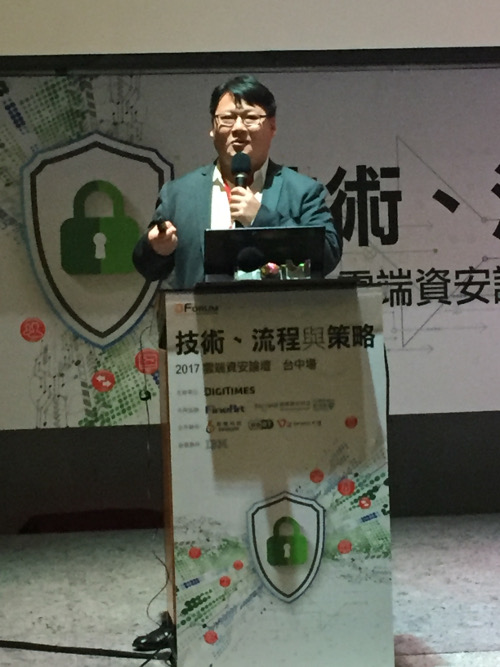
ESET資安專家在Digitimes雲端資安台中研討會的議程裡分析說到,企業上雲面臨的威脅有二,一是內憂,包括員工蓄意取走公司資料、誤傳資料或遺失可攜式裝置,二是外患,包括感染勒索軟體、APT,或雲端系統被入侵;近期引發軒然大波的WannaCry,便算是嚴重的外患之一。

也有不少人詢問,ESET能否防範WannaCry?ESET專家給予肯定答覆,透過ESET網路攻擊防護功能,即使微軟尚未發布更新,亦可主動阻止蠕蟲傳播,另搭配ESET雲端防護系統,毋需更新便能阻止WannaCry。ESET「勒索防護盾」擁有獨特的多重防護核心,搭配LiveGrid雲端技術,可在網際狙殺鏈的各階段主動反擊,阻擋惡軟體攻擊。

企業上雲的威脅,絕對不僅勒索軟體,台灣二版(ESET)亦針對其餘禍患,為企業提供安內攘外方案。譬如藉由ESET進階記憶體防護、LiveGrid及漏洞防護等技術,防禦APT攻擊;利用ESET Secure Authentication雙重認證安全,防止雲端系統被入侵;透過DESlock+資料加密方案,執行完整硬碟加密、檔案或資料夾加密、隨身碟加密、電子郵件加密,縱使員工不慎丟失裝置或外洩郵件帳密、仍可保障資料安全;另提供Safetica DLP方案,降低人為因素(員工有意或無意外傳資料)造成的傷害。

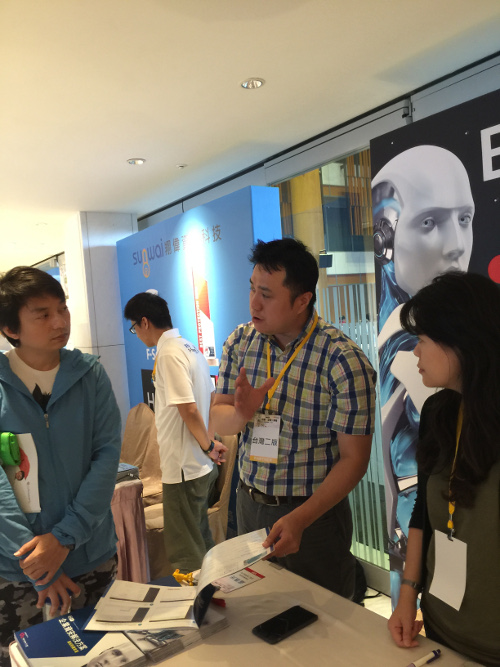
【活動照片】

我要下載議程資料

ESET亞太區總代理  台灣二版(Version 2)
ESET官方網站:www.eset.tw
客服電話:02-7722-6899
技術支援信箱:support@version-2.tw

ESET Endpoint Security 企業版方案榮獲「最佳企業端點防護方案」

ESET Endpoint Security 企業版方案早前,於《Linuxpilot》舉辦的「Linux & OSS 最佳解決方案編輯大選2017」頒獎禮中,榮獲「最佳企業端點防護方案」。

第十五屆「Linux & OSS 最佳解決方案編輯大選2017」旨在為企業用戶提供具權威的 IT 採購指引,使企業的 IT 投資獲得更大回報。編輯認為ESET NOD32得獎原因是在技術創新方面,做到監察軟體不當行為、雲端偵測技術等,而在商業效益方面,達致保護個人資料不被勒索、佔用資源低等功能。

有關「Linux & OSS 最佳解決方案編輯大選2017」詳情,請瀏覽 http://linuxpilot.com/linux-oss-2017

關於Version 2 Limited
Version 2 Limited是亞洲最有活力的IT公司之一,公司發展及代理各種不同的互聯網、資訊科技、多媒體產品,其中包括通訊系統、安全、網絡、多媒體及消費市場產品。透過公司龐大的網絡、銷售點、分銷商及合作夥伴,Version 2 Limited 提供廣被市場讚賞的產品及服務。Version 2 Limited 的銷售網絡包括中國大陸、香港、澳門、台灣、新加坡等地區,客戶來自各行各業,包括全球1000大跨國企業、上市公司、公用機構、政府部門、無數成功的中小企及來自亞洲各城市的消費市場客戶。

關於ESET
ESET成立於1992年,是一家面向企業與個人用戶的全球性的電腦安全軟件提供商,其獲獎產品 — NOD32防病毒軟件系統,能夠針對各種已知或未知病毒、間諜軟件 (spyware)、rootkits和其他惡意軟件為電腦系統提供實時保護。ESET NOD32佔用 系統資源最少,偵測速度最快,可以提供最有效的保護,並且比其他任何防病毒產品獲得了更多的Virus Bulletin 100獎項。ESET連續五年被評為“德勤高科技快速成長500 強”(Deloitte’s Technology Fast 500)公司,擁有廣泛的合作夥伴網絡,包括佳能、戴爾、微軟等國際知名公司,在布拉迪斯拉發(斯洛伐克)、布里斯托爾(英國 )、布宜諾斯艾利斯(阿根廷)、布拉格(捷克)、聖地亞哥(美國)等地均設有辦事處,代理機構覆蓋全球超過100個國家。 

“ Petya”勒索軟件:我們現在所知道的


LAST UPDATED 3:10 p.m. PDT: 

A massive new ransomware attack that started in Ukraine is spreading across Europe and the United States, according to Reuters and multiple other sources. Prominent companies that have been affected are the Danish shipping company Maersk and the British advertising company WPP.

The ransomware appears to be related to the Petya family, which is currently detected by ESET as Win32/Diskcoder.C Trojan. 

ESET users can find instructions to ensure the highest level of protection against this threat here. In addition, here is an advisory for ESET customers about the new malware. ESET protects against this threat, provided you have a default install of any modern ESET product. Additionally, any ESET product with network detection protects against the SMB spreading mechanism, EternalBlue, proactively.

The scale of the attack is being compared to the recent WannaCry outbreak. ESET protects both businesses and home users against WannaCry. 


ESET researchers have located the point from which this global epidemic has all started. Attackers have successfully compromised the accounting software M.E.Doc, popular across various industries in Ukraine, including financial institutions. Several of them executed a trojanized update of M.E.Doc, which allowed attackers to launch the massive ransomware campaign today which spread across the whole country and to the whole world. M.E.Doc has today released a warning on their website: http://www.me-doc.com.ua/vnimaniyu-polzovateley.

How does Petya work?

The Petya malware attacks a computer’s MBR (master boot record), a key part of the startup system that contains information about the hard disk partitions and helps load the operating system. If the malware successfully infects the MBR, it will encrypt the whole drive itself. Otherwise, it encrypts all files, like Mischa.


The new malware appears to be using a combination of the EternalBlue exploit used by WannaCryptor for getting inside the network, then spreading through PsExec for spreading within it.

To check if your Windows operating system is patched against it, use ESET’s free EternalBlue Vulnerability Checker.


This powerful combination is likely the reason why the outbreak is spreading quickly, even after previous outbreaks have generated headlines and most vulnerabilities should have been patched. It only takes one unpatched computer to get inside the network. From there, the malware can take over administrator rights and spread to other computers.

Petya and crypto-ransomware

In Ukraine, the financial sector, energy sector and numerous other industries have been hit. The scope of the damage caused to the energy sector is not yet confirmed, and there has been no reports of a power outage, as was the case previously with the infamous Industroyer malware that was discovered by ESET.


An image that reportedly shows the ransomware message is making the rounds online, including one from Group-IB with the following message (which we’ve paraphrased):

“If you see this text, then your files are no longer accessible, because they have been encrypted … We guarantee that you can recover all your files safely and easily. All you need to do is submit the payment [$300 bitcoins] and purchase the decryption key.”


How to protect yourself

新型WannaCryptor式勒索軟件攻擊在全球範圍內流行:您需要了解的所有信息

Update Jun 27 – 23.34 CEST: Shutting down the computer and not booting again could prevent the disk encryption, though several files can be already encrypted after the MBR is replaced and further infection through the network is attempted.

Update Jun 27 – 22.28 CEST: Paying is no longer possible as the email to send the Bitcoin wallet ID and “personal installation key” has been shut down by the provider. Thus, people shouldn’t  pay for the ransom as they will not be able to receive the decryption key.

Update Jun 27 – 21.20 CEST: ESET researchers have located the point from which this global epidemic has all started. Attackers have successfully compromised the accounting software M.E.Doc, popular across various industries in Ukraine, including financial institutions. Several of them executed a trojanized update of M.E.Doc, which allowed attackers to launch the massive ransomware campaign today which spread across the whole country and to the whole world. M.E.Doc has today released a warning on their website: http://www.me-doc.com.ua/vnimaniyu-polzovateley

Numerous reports are coming out on social media about a new ransomware attack in Ukraine, which could be related to the Petya family, which is currently detected by ESET as Win32/Diskcoder.C Trojan. If it successfully infects the MBR, it will encrypt the whole drive itself. Otherwise, it encrypts all files, like Mischa.

For spreading, it appears to be using a combination of the SMB exploit (EternalBlue) used by WannaCryptor for getting inside the network, then spreading through PsExec for spreading within the network.

This dangerous combination may be the reason why this outbreak has spread globally and rapidly, even after the previous outbreaks have generated media headlines and hopefully most vulnerabilities have been patched. It only takes one unpatched computer to get inside the network, and the malware can get administrator rights and spread to other computers.

The journalist Christian Borys, for example, tweeted that the cyberattack has “allegedly hit” banks, power grid and postal companies, among others. Moreover, it appears that the government has also come under attack. Borys has also tweeted an image put up on Facebook by Ukraine’s deputy prime minister, Pavlo Rozenko, which shows a computer apparently being encrypted.

The National Bank of Ukraine has also put out a message on its website warning other banks of the ransomware attack.

It stated: “Currently, the financial sector strengthened security measures and counter hacker attacks all financial market participants.”

Forbes said that while there appear to be similarities with WannaCryptor – with others describing it as WannaCry-esque – it is likely to be a variant of Petya.

An image, similar to the one witnessed by WannaCryptor victims, reportedly showing the ransomware message is making the rounds online, with one from Group-IB showing the following message (paraphrased):

“If you see this text, then your files are no longer accessible, because they have been encrypted … We guarantee that you can recover all your files safely and easily. All you need to do is submit the payment [$300 bitcoins] and purchase the decryption key.”

However, a spokesman said that “there is no effect on power supplies”, although it may be too early to ascertain this.

It appears that the ransomware attack is not specific to Ukraine. The Independent said that Spain and India may also have been affected, as well as the Danish shipping company Maersk and the British advertising company WPP.

On the latter’s homepage, the following message reads: “The WPP web site is currently unavailable due to important routine maintenance normal service will resume shortly.

“We apologise for any inconvenience this may cause. In the meantime if you would like to contact WPP, please email the site Editor at the following address …”

WPP has since confirmed on Twitter that it has been the victim of an attack: “IT systems in several WPP companies have been affected by a suspected cyberattack. We are taking appropriate measures & will update asap.”

There are also reports that payments are being made in response to the attack, at the BTC address linked here.

For more on Petya, check out this insightful piece from 2016, which notes of the crypto-ransomware:

Petya took an approach different from that of other crypto-ransomware. Instead of encrypting files individually, it aimed at the file system.

“The target is the victim’s master boot record (MBR), which is responsible for loading the operating system right after system boot.”

In order to prevent this kind of threat, we recommend that you always have your systems fully patched, that you use a proper security solution and that you set up network segmentation, which might help prevent spreading within the network.

This is currently a breaking story. Further updates to come.

Petya病毒變種捲土重來!!!ESET防毒軟體已偵測並更新

ESET偵測到的“Petya”Ransomware,於2017年6月27日最近更新為PDT:3:10

根據路透社和多個其他消息來源,在烏克蘭開始的大規模新型加密病毒正在攻擊歐洲和美國並蔓延到其他國家。 一開始受到影響的是丹麥航運公司-馬士基和英國廣告公司-WPP。

這個加密病毒似乎與Petya家族有關,目前ESET已經將其檢測出病毒攻擊行為並歸類為Win32/Diskcoder.C Trojan。

如果您安裝了ESET產品,ESET可防範此威脅。此外,任何具有網路防護功能的ESET Security系列產品均可主動防範由SMB擴散的可能性。Petya攻擊的規模正在與最近的WannaCry爆發模式相當類似。ESET的研究人員已經掌握了這一個全球性流行的加密病毒的攻擊行為。Petya成功地破壞了在烏克蘭各行業,包括金融機構受歡迎的會計軟件M.E.Doc。有幾個人執行了常見特洛伊木馬病毒攻擊行為的偽造檔案,目前造成歐美目前爆發橫跨全國和全世界的大規模的病毒攻擊。 

【Petya攻擊行為模式】

Petya惡意軟體攻擊電腦的MBR(主引導記錄),而MBP主要的功能是啟動系統的關鍵部分包含有關硬碟啟動磁區的資料,並有助於啟動操作系統。 

如果Petya成功感染MBR,它將對整個硬碟本身進行加密。 如果沒有它也會嘗試加密電腦內所有文件檔案,如同:Mischa。

Petya似乎跟WannaCryptor使用同樣的EternalBlue漏洞進行網路連接,然後透過PsExec進行攻擊。

*請使用ESET的免費EternalBlue漏洞檢測工具檢查您的Windows系統是否已更新 

這種強大的攻擊模式可能是疫情迅速蔓延的原因,即使以前的疫情已經成為大家皆知頭條新聞,並且大多數漏洞應該已經被修補。 但是它只需要入侵一個未更新的電腦並進入網路就能開始散播。 惡意程式可以取得系統管理員權限並傳播到其他台電腦。

在烏克蘭,金融業,能源部門等多個行業受到攻擊。 對能源部門造成的損害範圍尚未得到確認,幸好目前沒有發生停電的情況,就像以前與ESET發現的臭名昭著的Industroyer惡意程式一樣。據報告顯示被Petya ransomware攻擊成功的電腦,會顯示跟Group-IB同樣訊息,其中包含以下翻譯內容:

“如果您看到這個訊息,那麼您的文件檔案不再可以讀寫,因為它們已被加密…我們保證您可以安全輕鬆地恢復所有文件檔案。 

您只需要做的就是付款$ 300比特幣購買解密密鑰。

ESET資安專家建議五點:

1.使用專業且信譽良好的防毒軟體(ESET NOD32)並保持更新。(很基本但是非常重要,雖然作業系統本身具有內建防火牆功能,並不意味著它不需要防毒軟體 )

2.確認您已經安裝所有最新的Windows更新和修補程序。

3.執行ESET的EternalBlue漏洞檢查工具,查看您的Windows電腦是否已經針對EternalBlue漏洞進行更新,並在必要時進行更新。

4.ESET家庭用戶:注意病毒碼是否更新到最新日期。

5.ESET企業用戶:可以手動對所有用戶端電腦發送病毒碼更新工作或在用戶端電腦防毒軟體進行病毒碼更新。

#欲知更多產品訊息:

企業用戶:https://www.eset.tw/business/endpoint-security/

個人用戶:https://www.eset.tw/home/

#欲購買產品:https://www.eset.tw/estore/zh/

或電洽ESET資安專業服務團隊:(02)7722-6899

加入電子報,可獲得最新資安防禦訊息:https://www.eset.tw/e-news/subscribe/

*ESET檢測工具:

ESET releases “EternalBlue Vulnerability Checker” to help combat WannaCry ransomware

https://www.eset.com/us/about/newsroom/press-releases/eset-releases-eternalblue-vulnerability-checker-to-help-combat-wannacry-ransomware/

原文出處:https://www.eset.com/us/about/newsroom/corporate-blog/petya-ransomware-what-we-know-now/